
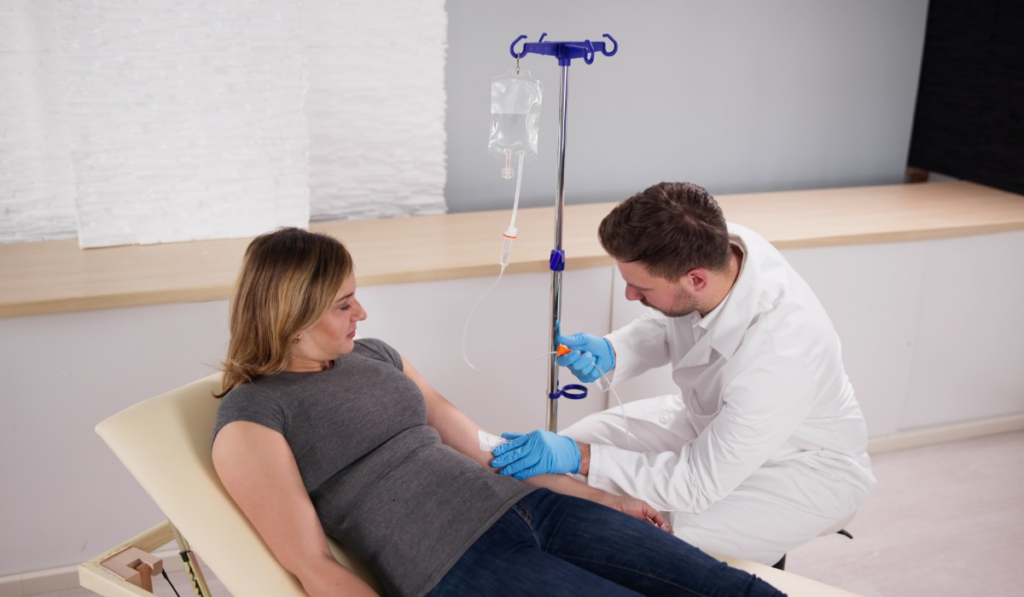
Ketamine Infusions in Newport Beach: A Breakthrough in Pain Relief
Ketamine Infusions have gained attention in recent years as an innovative treatment approach for individuals experiencing complex pain conditions. While traditional pain management methods such as medication and physical therapy remain important, certain chronic conditions require advanced solutions that address the neurological aspects of pain.
Chronic pain can affect daily mobility, sleep quality, and overall physical functioning. Conditions such as nerve damage, post surgical pain, and inflammatory disorders may persist even after conventional therapies are attempted. Medical providers have therefore explored new therapeutic approaches that target pain signals within the nervous system.
One emerging option involves the use of controlled infusion therapy administered under medical supervision. These treatments are designed to alter the way pain signals are processed in the brain and spinal cord. In clinical environments, this therapy is often integrated with other treatment strategies such as regenerative therapies, rehabilitation, and long term pain monitoring.
For individuals seeking specialized treatment options, exploring services related to Ketamine Infusions newport beach can provide insight into how infusion therapy is used within structured pain management programs. These therapies are typically delivered in carefully monitored medical settings to ensure safety and effectiveness.
Understanding how infusion based therapies work, which conditions they address, and how they fit within a broader treatment plan can help patients make informed decisions about managing persistent pain conditions.
Understanding Ketamine Infusions in Pain Treatment
Ketamine was originally developed as an anesthetic medication and has been used in surgical settings for decades. Over time, researchers discovered that in carefully controlled doses it may influence how the brain processes pain signals.
In chronic pain conditions, the nervous system sometimes becomes hypersensitive. Pain signals may continue even after the original injury has healed. Infusion therapy works by interacting with receptors in the nervous system that influence pain perception.
Medical providers may consider infusion therapy for conditions including nerve pain, persistent musculoskeletal pain, and pain following surgery. When administered in a clinical environment, patients are monitored throughout the infusion process.
Unlike many oral medications, infusion therapy is delivered intravenously. This allows clinicians to control dosage levels precisely and adjust treatment plans based on patient response.
Conditions Commonly Treated With Infusion Therapy
Pain conditions vary widely in their causes and severity. Some patients experience localized discomfort, while others face widespread pain affecting multiple areas of the body.
Chronic pain may arise from injury, surgery, degenerative conditions, or nerve dysfunction. Medical professionals evaluate each case individually to determine whether infusion therapy may be appropriate.
Common conditions that may be addressed include:
- Chronic pain syndromes affecting joints or nerves
- Post surgical pain that persists after recovery
- Neuropathic pain associated with nerve damage
- Inflammatory conditions causing long term discomfort
- Pain conditions that have not responded to conventional medications
Patients experiencing localized pain may also benefit from additional evaluation for conditions such as Spinal Cord Stimulation newport beach, which may be considered when nerve based pain requires advanced intervention.
Treatment decisions are typically based on medical history, diagnostic imaging, and patient response to earlier therapies.
How Infusion Therapy Works
The mechanism behind infusion therapy involves interaction with NMDA receptors in the nervous system. These receptors play a role in pain transmission and central sensitization, which is a process where the nervous system becomes overly responsive to pain signals.
When these receptors are regulated, the brain may become less sensitive to certain pain signals. This can lead to temporary or sustained pain relief depending on the condition being treated.
The infusion process generally includes several steps.
1. Medical Evaluation : A physician reviews the patient’s medical history, medications, and previous treatments. Diagnostic tests may be used to understand the cause of pain.
2. Individualized Treatment Plan : The provider determines dosage levels and treatment frequency. Some patients receive a series of infusions over several sessions.
3. Controlled Administration : Infusions are delivered intravenously in a clinical setting. Monitoring equipment ensures patient safety throughout the process.
4. Post Treatment Monitoring : Patients are observed after treatment to ensure stable recovery and to evaluate pain response.
5. Long Term Care Planning : Providers may combine infusion therapy with rehabilitation, physical therapy, or regenerative treatments.
This structured process allows clinicians to carefully monitor patient response and adjust treatment protocols as needed.
Role of Infusion Therapy in Chronic Pain Management
Pain management clinics typically use a multidisciplinary approach to treat chronic pain. Infusion therapy is one component within a broader system of care that may include rehabilitation, lifestyle adjustments, and advanced medical treatments.
Chronic pain can involve multiple biological systems, including nerves, muscles, and inflammatory pathways. Addressing only one aspect may not fully resolve the problem.
Medical programs often combine therapies such as:
- Regenerative therapies that support tissue recovery
- Physical rehabilitation to improve mobility
- Neuromodulation treatments targeting nerve signals
- Behavioral strategies that help patients manage long term pain
This integrated strategy helps clinicians address both the symptoms and underlying causes of persistent pain.
Benefits Observed in Clinical Settings
Research and clinical experience have shown that infusion therapy may offer benefits for some patients who have not responded to conventional treatments.
While results vary, several potential outcomes have been observed.
- Reduced intensity of chronic pain symptoms
- Improved mobility and physical activity levels
- Reduced reliance on long term pain medications
- Improved sleep patterns and daily functioning
It is important to note that outcomes depend on individual conditions and overall treatment plans. Medical supervision ensures that therapy remains appropriate and safe.
Patients with localized conditions such as joint discomfort may also explore specialized evaluations for issues such as Hand pain newport beach, which can require targeted treatment strategies in addition to systemic therapies.
Safety Considerations in Infusion Therapy
Safety is an essential factor in any medical treatment. Infusion therapy must always be administered under professional supervision within a clinical environment.
Medical teams typically monitor several factors during treatment including heart rate, blood pressure, oxygen levels, and patient comfort.
Important safety considerations include:
- Careful patient screening before treatment
- Controlled dosing administered by trained professionals
- Monitoring throughout the infusion session
- Post treatment observation and follow up
These protocols help ensure that treatment remains safe and appropriate for each patient.
Integration With Regenerative Therapies
Modern pain management clinics often combine infusion therapy with regenerative medicine techniques. Regenerative treatments aim to support the body’s natural healing processes by stimulating tissue repair and reducing inflammation.
Examples of regenerative approaches may include platelet rich plasma therapy and other biologically based treatments.
When used together, infusion therapy may help reduce pain signals while regenerative therapies address underlying tissue damage.
This integrated model allows physicians to address both neurological and structural aspects of pain.
Who May Benefit From Infusion Therapy
Not every patient with chronic pain requires infusion therapy. Medical professionals carefully evaluate individual cases before recommending advanced treatment options.
Candidates for infusion therapy may include individuals who:
- Experience persistent pain despite conventional treatments
- Have nerve related pain conditions
- Continue experiencing discomfort after surgical recovery
- Cannot tolerate certain pain medications
Patients seeking more information about treatment options can also review consultation resources and contact us to learn about available evaluation processes and treatment planning.
Understanding available options helps individuals participate actively in their pain management decisions.
Future Developments in Pain Management
Pain management research continues to evolve as clinicians explore new therapies for complex conditions. Advances in neuroscience, regenerative medicine, and precision treatment planning are shaping the future of pain care.
Emerging research is focusing on:
- Personalized treatment protocols based on patient biology
- Combination therapies that address multiple pain pathways
- Advanced neuromodulation techniques
- Data driven treatment monitoring
These developments aim to improve outcomes for patients dealing with long term pain conditions.
Conclusion
Chronic pain can significantly affect quality of life, mobility, and daily activities. As medical research progresses, new therapeutic approaches are emerging to address complex pain conditions more effectively.
Infusion therapy represents one of the modern techniques being explored in clinical pain management. When administered in a controlled medical environment, it may help regulate pain signals within the nervous system and support broader treatment strategies.
However, infusion therapy is typically part of a comprehensive care plan that includes evaluation, rehabilitation, and long term monitoring. Understanding how different therapies work together allows patients and medical providers to create treatment strategies tailored to individual needs.
For individuals living with persistent pain, continued advancements in medical science provide new opportunities to explore safe and structured approaches to relief.