How to Relieve Elbow Pain: Expert Guidance in Newport Beach
Elbow pain can quietly disrupt daily routines, work responsibilities, and physical performance. Simple actions such as lifting objects, typing, gripping tools, or participating in fitness activities can become uncomfortable when the elbow joint is compromised. For many adults, elbow pain develops gradually due to repetitive strain or ongoing stress on the joint rather than a single injury.
Access to expert evaluation and targeted care is essential for long term relief. At a trusted Pain clinic newport beach, patients can explore modern, non surgical solutions designed to address the root causes of elbow pain and restore functional movement. This guide explains common causes, treatment options, and when professional care becomes necessary.
Understanding Elbow Pain
The elbow is a complex hinge joint that connects the upper arm to the forearm. It relies on the coordinated function of bones, tendons, ligaments, muscles, and nerves. Because it is involved in both bending and rotational movements, the elbow is exposed to frequent mechanical stress. Overuse and repetitive strain can cause microscopic damage to the tendons and surrounding tissues. Over time, this damage may lead to inflammation, stiffness, and persistent pain. Without proper care, these issues can worsen and affect grip strength, range of motion, and overall arm function. Early evaluation plays a key role in long term recovery. Identifying the source of pain allows for targeted treatment before chronic damage develops.
Common Causes of Elbow Pain in Adults
Elbow pain in adults is often linked to lifestyle and activity patterns rather than sudden trauma. Repetitive motion is one of the most common contributors. Jobs or hobbies that require repeated gripping, lifting, or twisting can place excessive strain on the elbow tendons. Sports related stress is another frequent cause. Activities that involve repetitive arm movements or forceful impact can overload the joint and lead to tendon irritation. Over time, these stresses may trigger pain that persists even during rest. Degenerative and inflammatory conditions can also affect the elbow. Age related wear and tear may reduce joint resilience, while inflammatory responses can cause swelling and discomfort that limit movement.
Tennis Elbow: Causes and Symptoms
Tennis elbow is one of the most well known elbow conditions, even among individuals who do not play sports. It develops when the tendons on the outer side of the elbow become irritated due to repetitive wrist and forearm movements. Typical symptoms include pain along the outer elbow, tenderness when pressing on the joint, and discomfort that worsens with gripping or lifting. Many individuals notice a decline in grip strength, making everyday tasks more challenging. If left untreated, tennis elbow can progress and interfere with both work and recreational activities.
Golfer’s Elbow: Causes and Symptoms
Golfer’s elbow affects the tendons on the inner side of the elbow. Although it is less commonly discussed than tennis elbow, it can be equally disruptive. This condition develops from repetitive stress that overloads the muscles responsible for wrist flexion and forearm rotation. Symptoms often include pain and tenderness on the inner elbow, stiffness, and weakness in the hand or wrist. Certain movements may intensify discomfort, especially those that involve gripping or lifting with the palm facing upward. Understanding the difference between golfer’s elbow and tennis elbow is essential for selecting the correct treatment approach.
When Elbow Pain Requires Professional Evaluation
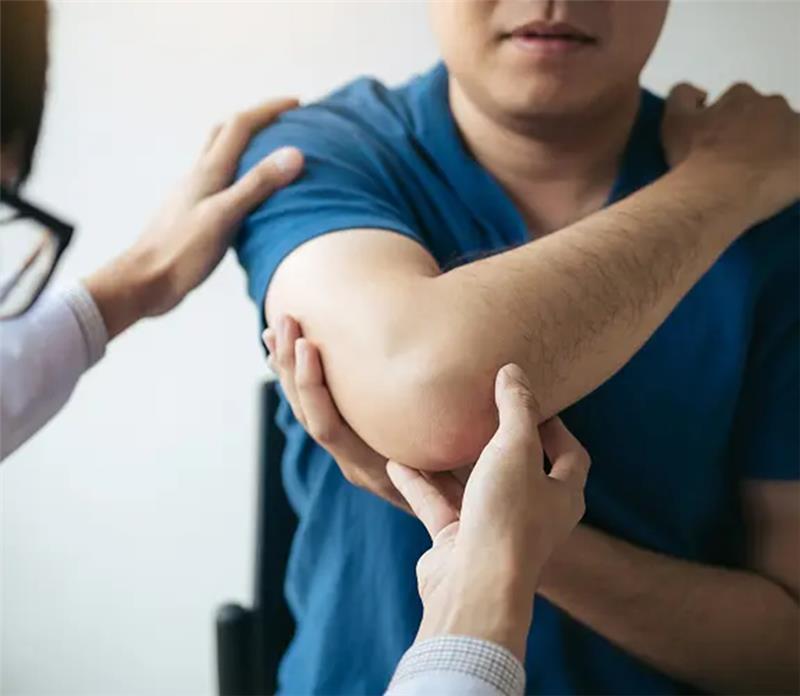
Some elbow discomfort resolves with rest and minor adjustments. However, persistent or worsening pain should not be ignored. Warning signs that professional evaluation may be necessary include pain that lasts for several weeks, increasing stiffness, or noticeable weakness in the arm. Functional limitations are another indicator. Difficulty performing work tasks, exercise routines, or daily activities suggests that the underlying issue may require targeted care. Accurate diagnosis ensures that treatment addresses the true cause of pain rather than masking symptoms. Seeking early evaluation can reduce recovery time and help prevent long term complications.
Non Surgical Treatment Options for Elbow Pain
Non surgical care is often the first line of treatment for elbow pain. Activity modification is a key component, allowing irritated tissues time to recover while avoiding movements that worsen symptoms. Guided rehabilitation programs focus on restoring strength, flexibility, and stability in the elbow and surrounding muscles. Physical therapy techniques may include controlled exercises and movement retraining to reduce strain on affected tendons. Anti inflammatory management strategies can also play a role. These approaches aim to decrease swelling and discomfort, supporting the body’s natural healing process without invasive intervention.
PRP Injections for Elbow Pain
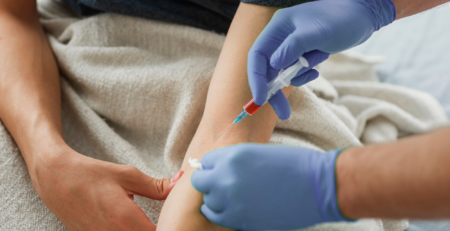
Platelet rich plasma injections, commonly known as PRP injections, are a regenerative treatment option used for certain tendon related elbow conditions. PRP is derived from the patient’s own blood and contains a high concentration of growth factors. When injected into the affected area, PRP may help stimulate tissue repair and reduce inflammation. This approach is often considered for individuals with chronic tendon pain that has not responded to conservative care. PRP injections are typically integrated into a broader treatment plan rather than used as a standalone solution
Joint Injections as a Pain Relief Option
Joint injections are another non surgical option for managing elbow pain. These injections are designed to deliver medication directly to the site of inflammation, helping to reduce pain and improve mobility. The primary goal of joint injections is to calm inflammatory responses and allow the joint to move more comfortably. When combined with rehabilitation and activity modification, injections can support more effective recovery. A comprehensive evaluation helps determine whether joint injections are appropriate based on the underlying condition and symptom severity.
Creating a Personalized Elbow Pain Treatment Plan
Effective elbow pain management requires an individualized approach. No two cases are exactly alike, and treatment should reflect the specific diagnosis, severity of symptoms, and lifestyle demands of the patient. A personalized plan may include a combination of rehabilitation, injection based therapies, and ongoing monitoring. Adjustments are often made as recovery progresses to ensure optimal outcomes. Ongoing support and follow up care help maintain improvements and reduce the risk of recurrence.For personalized evaluation and treatment options, patients can contact the Newport Beach clinic to schedule a professional elbow pain consultation.
Integrated Care for Upper Limb Pain
Elbow pain does not always exist in isolation. Issues in the hand, wrist, or shoulder can contribute to abnormal movement patterns that place added stress on the elbow. Addressing these connections is an important part of comprehensive care. Patients managing elbow discomfort may also benefit from evaluation of related areas through services such as Elbow pain newport beach and broader upper extremity assessments. In some cases, coordinated care involving the hand and wrist can improve overall arm function, as supported by resources linked through Hand pain newport beach
Why Expert Care in Newport Beach Matters
Access to specialized care ensures that elbow pain is treated with precision and expertise. Clinics focused on musculoskeletal and pain management conditions offer advanced diagnostic tools and evidence-based treatment options. Expert providers understand how to balance pain relief with functional restoration, helping patients return to daily activities with confidence. A focus on non-surgical solutions allows many individuals to achieve relief without extended downtime. Patients seeking professional guidance can contact the clinic to schedule an evaluation and explore appropriate treatment options tailored to their needs.
Conclusion
Elbow pain can significantly affect comfort, productivity, and quality of life. Conditions such as tennis elbow, golfer’s elbow, and inflammatory joint issues often require more than rest to resolve fully. Through early evaluation, non-surgical treatments, and personalised care plans, long term relief is achievable. Professional guidance ensures that treatment addresses the root cause of pain while supporting safe and effective recovery. Seeking expert care is an important step toward restoring elbow function and maintaining an active lifestyle.
FAQs
1. What causes elbow pain most commonly?
Repetitive strain, sports overuse, and tendon inflammation are among the most common causes of elbow pain in adults.
2. What is the difference between tennis elbow and golfer’s elbow?
Tennis elbow affects the tendons on the outer side of the elbow, while golfer’s elbow involves the inner tendons. Each condition results from different movement patterns and stresses.
3. Are PRP injections effective for elbow pain?
PRP injections may support healing in certain tendon related elbow conditions by promoting tissue repair and reducing inflammation.
4. When should I see a specialist for elbow pain?
Professional evaluation is recommended when pain persists for several weeks, worsens over time, or interferes with daily activities or work performance.
5. What treatment options are available for elbow pain in Newport Beach?
Treatment options include activity modification, physical therapy, anti inflammatory strategies, PRP injections, and joint injections as part of a comprehensive care plan.